Butterfly Pea Flower Tea: Unlocking Its Benefits for Your Body & Mind
Ready to discover a world of vibrant color and incredible flavor, all packed into a single cup? Flower teas are a quiet secret in the wellness world, offering a beautiful sensory experience and a powerful boost of health. From the mesmerizing color-changing butterfly pea flower tea to the tart richness of hibiscus, these herbal infusions are far more than just pretty drinks. They’re a simple, natural way to add a touch of magic to your daily routine.
In this comprehensive guide, we’re going to get to the heart of what makes these infusions so special. We’ll explore the amazing butterfly pea flower tea benefits, provide simple recipes, and dive into the world of other popular flower tea favorites like hibiscus and chamomile. So, grab your favorite mug and let nature’s vibrant beauty enchant you.
The Magic and History of the Butterfly Pea Flower
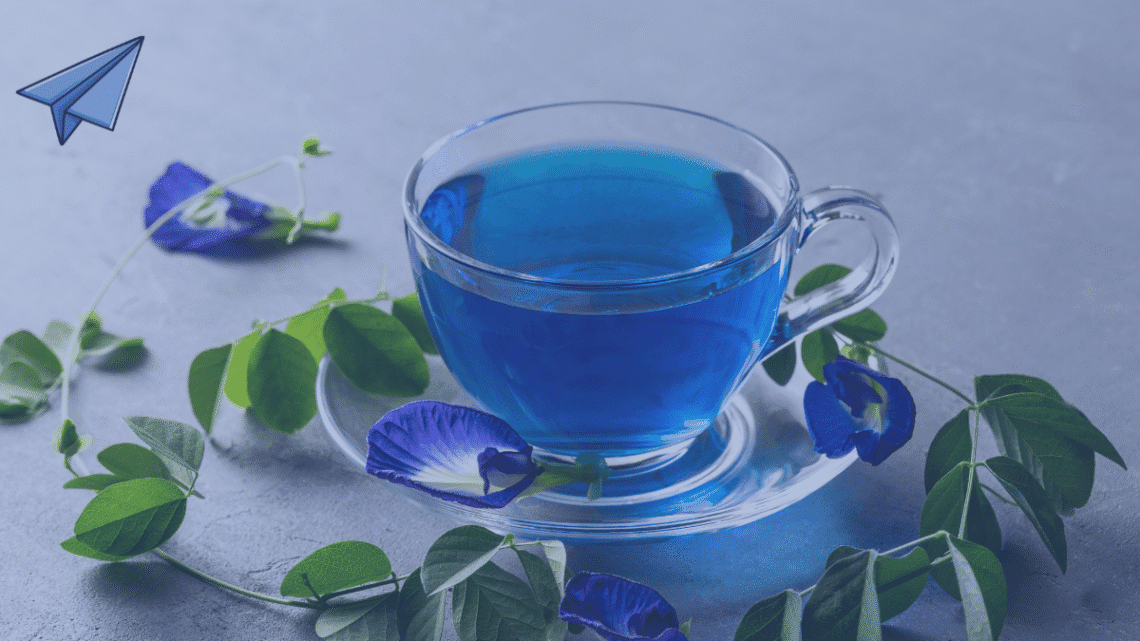
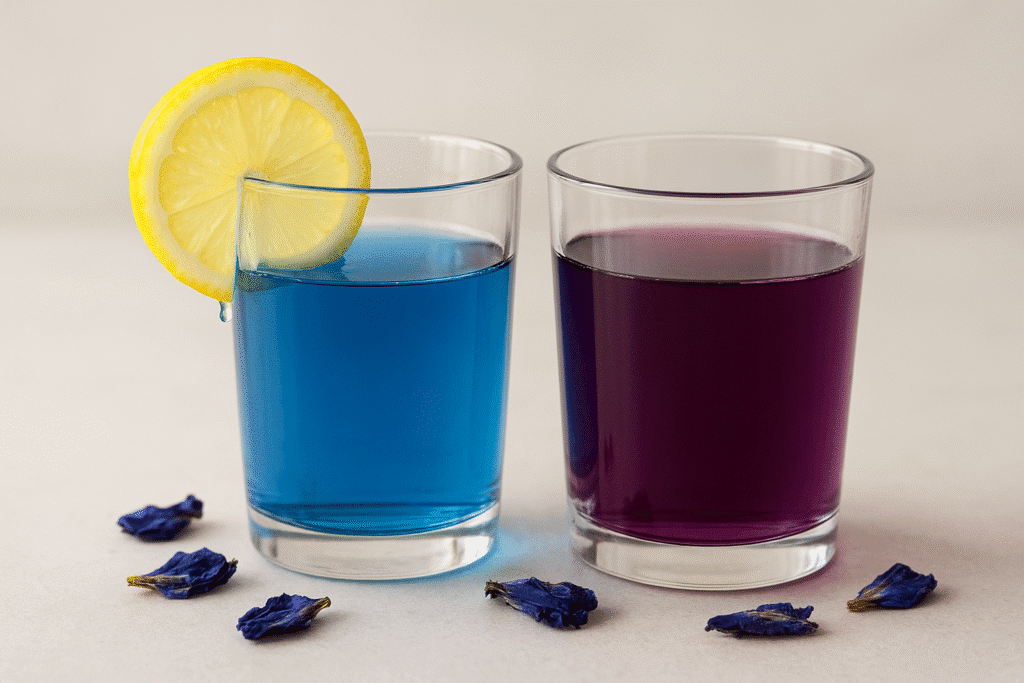
Before we dive into the science, let’s talk about the star of the show: the butterfly pea flower. People in India know this vibrant bloom as Aparajita flower tea, while in Southeast Asia, they call it blue pea flower tea, and its stunning blue hue makes it a celebrated drink. When steeped in hot water, the color is an inky blue, but add a squeeze of lemon or any acidic liquid, and it transforms into a mesmerizing purple or pink right before your eyes. This visual spectacle isn’t magic. It’s the result of a change in pH levels, making it a favorite for mixologists and home cooks alike.
Historically, this flower has been used in Ayurvedic medicine for centuries as a brain tonic and to combat anxiety. In parts of Thailand and Malaysia, it’s a key ingredient in traditional food and drink, valued for its natural coloring properties and subtle, earthy taste.
Unlocking the Health Benefits of Butterfly Pea Tea
The beauty of butterfly pea flower tea goes far beyond its dazzling appearance. This brew is packed with powerful antioxidants and compounds that offer a range of science-backed benefits for your body and mind. It’s no wonder that a simple search for “butterfly pea flower tea benefits” turns up so much excitement!
- Antioxidant Powerhouse: The beautiful blue color comes from anthocyanin, a type of antioxidant that fights free radicals in the body. Free radicals are unstable molecules that can damage cells and lead to aging and disease. By drinking this tea regularly, you help your body combat this damage from the inside out.
- A Natural Nootropic: This tea is often praised for its cognitive-boosting properties. It’s believed to help improve memory and focus. The presence of acetylcholine, a neurotransmitter, may play a role in this, making it a great natural alternative to caffeine for a mental pick-me-up.
- Skin and Hair Health: The antioxidants in aparajita flower tea can help improve skin elasticity and reduce the appearance of fine lines by fighting oxidative stress. Its an-inflammatory properties also make it a soothing remedy for irritated skin. For hair, this tea promotes blood circulation to the scalp, which can help strengthen hair follicles and combat hair loss..
- Calm and Clarity: If you’re looking to de-stress, a warm cup of this tea might be the answer. The tea’s soothing aroma and gentle nature can help you reduce stress and anxiety, which promotes a sense of calm and well-being.
- Metabolism Support: Some research suggests that the tea’s antioxidants can also help your body regulate blood sugar and support a healthy metabolism, though more studies are needed.
The combined aparajita flower tea benefits make it a comprehensive wellness drink to enjoy daily.
Your DIY Guide Recipe: How to Make Butterfly Pea Flower Tea
Brewing the perfect cup of butterfly pea flower tea is incredibly simple, and the process itself is a treat to watch. Here’s a quick and easy guide you can start with.
Ingredients
- 1 teaspoon dried butterfly pea flowers
- 1 cup hot water (just off the boil)
- Optional: A squeeze of lemon or lime juice, a spoonful of honey, or a slice of ginger.
Instructions
- Boil Water: Bring a cup of fresh, filtered water to a boil.
- Steep: Place the dried flowers in a teacup or teapot. Pour the hot water over the flowers.
- Watch the Magic: Let the flowers steep for 5-7 minutes. Watch as the water transforms from a clear liquid to a deep, mesmerizing blue.
- Strain & Enjoy: Remove the flowers. You can add honey or ginger for flavor. For a fun, color-changing twist, add a few drops of lemon juice and watch the magic happen!
That’s all it takes to make the perfect butterfly pea flower tea recipe at home. You can also make a large batch and store it in the fridge to enjoy as a refreshing iced tea.
Beyond the Blue: Exploring Other Popular Flower Teas
While butterfly pea tea is definitely a star, there’s a whole universe of flower tea to explore, each with its own unique flavor profile and benefits. Expanding your tea collection to include these herbal tea flowers can add variety and new health advantages to your routine.
Hibiscus Flower Tea
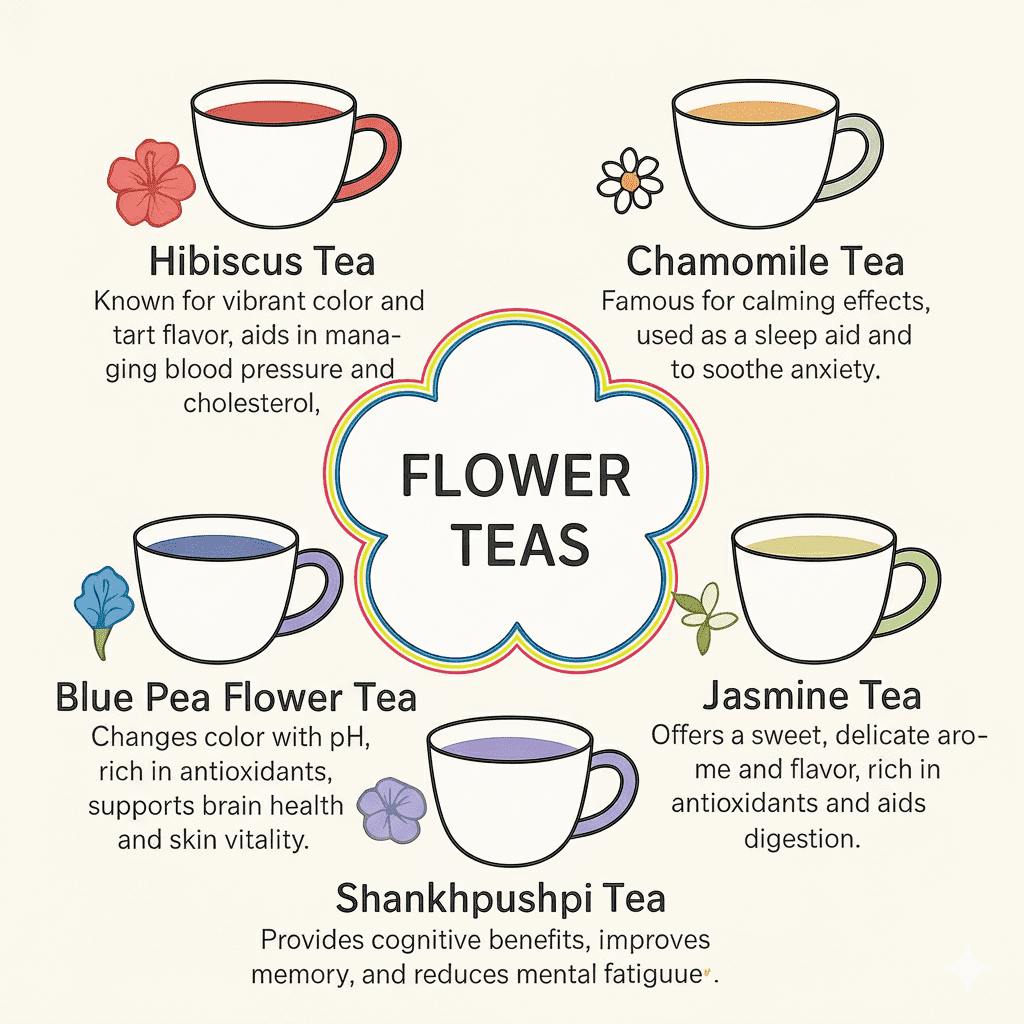
Known for its vibrant red color and tart, cranberry-like flavor, hibiscus flower tea benefits are numerous. The tea is packed with antioxidants, and research links it to helping manage blood pressure and cholesterol. To learn how to make hibiscus tea from dried flowers, simply steep a few dried petals in hot water for 5-10 minutes. It’s also easy to learn how to make hibiscus tea with dried flowers or fresh ones, which yields an equally potent and flavorful drink.
Chamomile Flower Tea
A classic for a reason, chamomile flower tea is famous for its mild, apple-like flavor and its powerful calming effect. One can surely use it as a natural sleep aid and a way to soothe an upset stomach or anxiety.
Jasmine Flower Tea
While often an additive to green or black tea, jasmine flower tea is beautiful on its own. Its sweet, delicate aroma and flavor are incredibly relaxing. It’s also rich in antioxidants and may help improve digestion.
Shankhpushpi Flower Tea
Like butterfly pea, this traditional Ayurvedic tea provides cognitive benefits. People often use it to help improve memory and reduce mental fatigue, making it a great natural brain booster.
Your Journey to Natural Wellness
Exploring the world of flower teas is an exciting journey into natural wellness. From the visual wonder of a cup of butterfly pea flower tea to the soothing calm of chamomile, these blooms offer a simple way to care for your body and mind. They are a powerful reminder that some of the best remedies are found in nature, waiting to be steeped and enjoyed.
If you’re looking for other ways to win the morning before you step out the door, prepping a week’s worth of quick breakfast jars is the best solution. Check out our Overnight Oats with Chia Seeds Recipe for the ultimate meal prep hack!
Have you tried any of these flower teas? Share your experience in the comments below! Tell us: what other flower tea secrets do you want us to uncover next?
Frequently Asked Questions (FAQs)
Yes, it is generally safe to drink butterfly pea flower tea daily. It is a caffeine-free herbal tea and can be a healthy alternative to coffee or black tea.
Yes, you can use fresh flowers! Simply use a slightly larger quantity than you would with dried flowers, as the dried ones are more concentrated.
While some studies suggest that the antioxidants in the tea may help support a healthy metabolism, it should not be considered a weight loss solution on its own. It can, however, be a healthy, low-calorie addition to a balanced diet and exercise routine.
Butterfly pea flower tea is generally considered safe for most people when consumed in moderation. However, excessive consumption may lead to an upset stomach. As with any herbal tea, it is best to consult a doctor before using it if you are pregnant, breastfeeding, or have any health conditions.


You May Also Like